Updated October 2026 • 6 min read
Algarve food is built on the sea. Order grilled fish, a cataplana of seafood cooked in a copper pan, clams, octopus from Santa Luzia and seafood rice, and try piri-piri chicken in Guia, where it is a local tradition. For dessert, look for the almond, fig and egg-yolk sweets such as Dom Rodrigo and morgado. To drink, the region has its own wines and medronho, a strong spirit distilled from the fruit of the strawberry tree.
This guide covers the dishes to order, the sweets and drinks, where to eat and the food experiences worth booking.
Algarve Dishes at a Glance
| Dish | What it is | Where to try it |
|---|---|---|
| Cataplana | Seafood or pork and clams cooked in a closed copper pan | Seafood restaurants along the whole coast |
| Grilled fish | Sardines, sea bream, sea bass or horse mackerel grilled over charcoal | Harbour restaurants in Portimão, Olhão, Lagos and Quarteira |
| Octopus | Grilled, in rice or as a salad | Santa Luzia, near Tavira |
| Amêijoas à Bulhão Pato | Clams with garlic, olive oil, coriander and lemon | Ria Formosa towns such as Olhão and Faro |
| Arroz de marisco | Wet seafood rice served in a pot | Seafood restaurants everywhere |
| Frango piri-piri | Charcoal-grilled chicken with chilli oil | Guia, near Albufeira |
| Dom Rodrigo and morgado | Sweets made with almond and egg yolk | Pastry shops, especially in Lagos, Tavira, Portimão and Silves |
| Medronho | Spirit distilled from strawberry tree fruit | Serra de Monchique and inland villages |
What to Eat in the Algarve
Cataplana
The dish takes its name from the pan: a copper pot made of two hinged, clam-shaped halves that close tight, so the ingredients steam in their own juices. The best-known versions are seafood cataplana, with fish, prawns and clams, and the pork and clam combination. It is cooked to order and served for at least two people, so expect to wait and come hungry.
Grilled fish and seafood
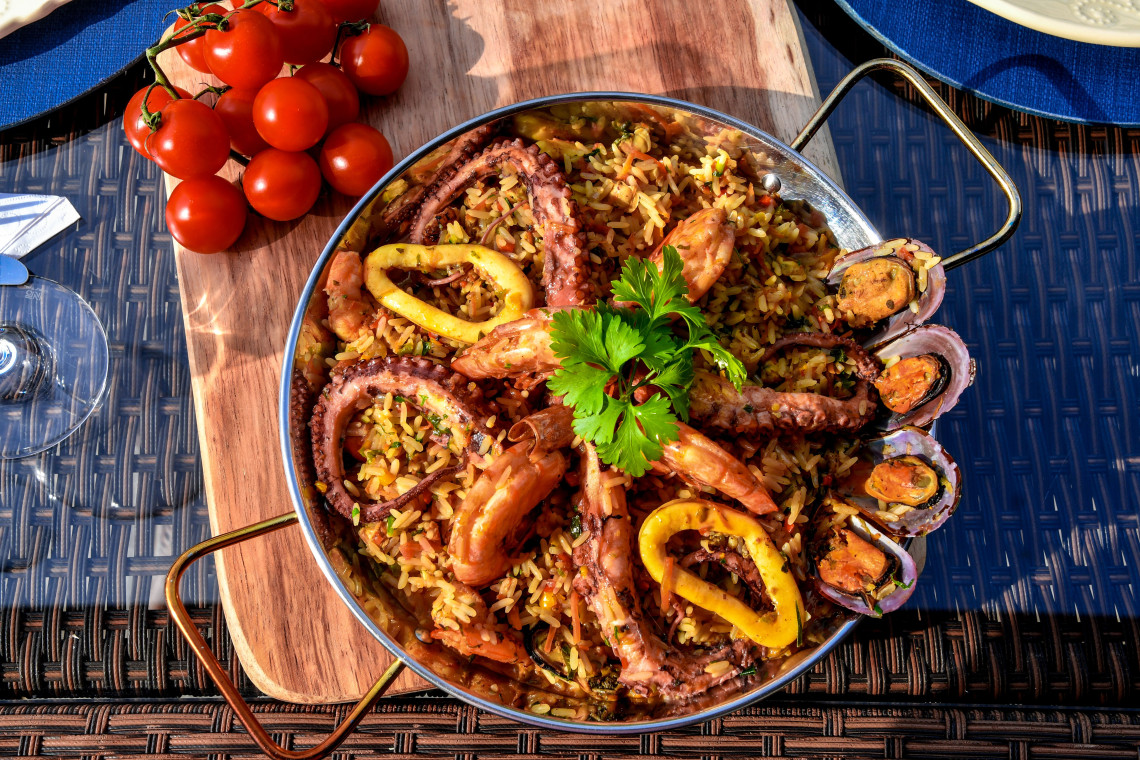
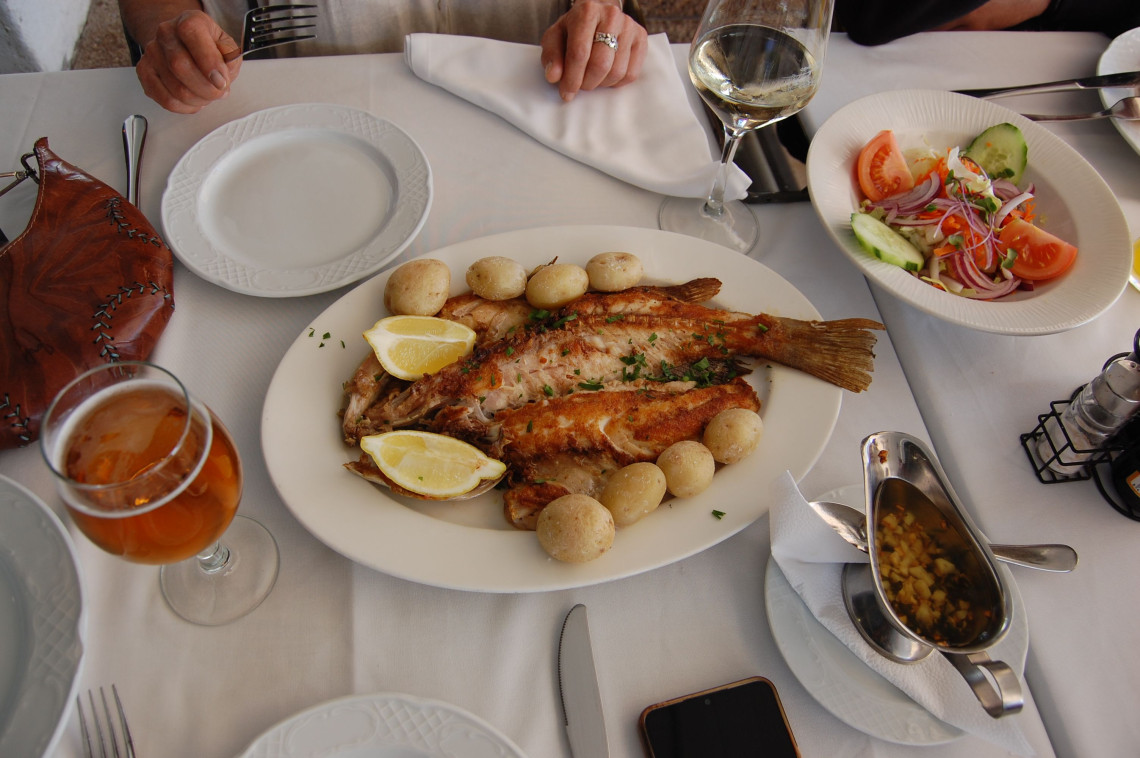
The simplest meal is often the best: fish of the day grilled over charcoal and served with boiled potatoes, salad and olive oil. Sardines are at their best in summer, when they are larger and oilier. Look also for sea bream (dourada), sea bass (robalo), horse mackerel (carapau) and squid (lulas). Many restaurants sell fish by weight, so ask before ordering.
Octopus from Santa Luzia
Santa Luzia, a fishing village next to Tavira, is known for octopus, caught with traditional pots and served in the restaurants along its waterfront. Try it grilled with olive oil and garlic, in octopus rice or as a cold salad.
Clams and shellfish from the Ria Formosa
The Ria Formosa lagoon between Faro and Tavira produces clams, cockles and oysters. Amêijoas à Bulhão Pato, clams cooked with garlic, olive oil, coriander and lemon, is a classic starter. Coquina clams (conquilhas), small and sweet, are another local favourite.
Seafood rice and xerém
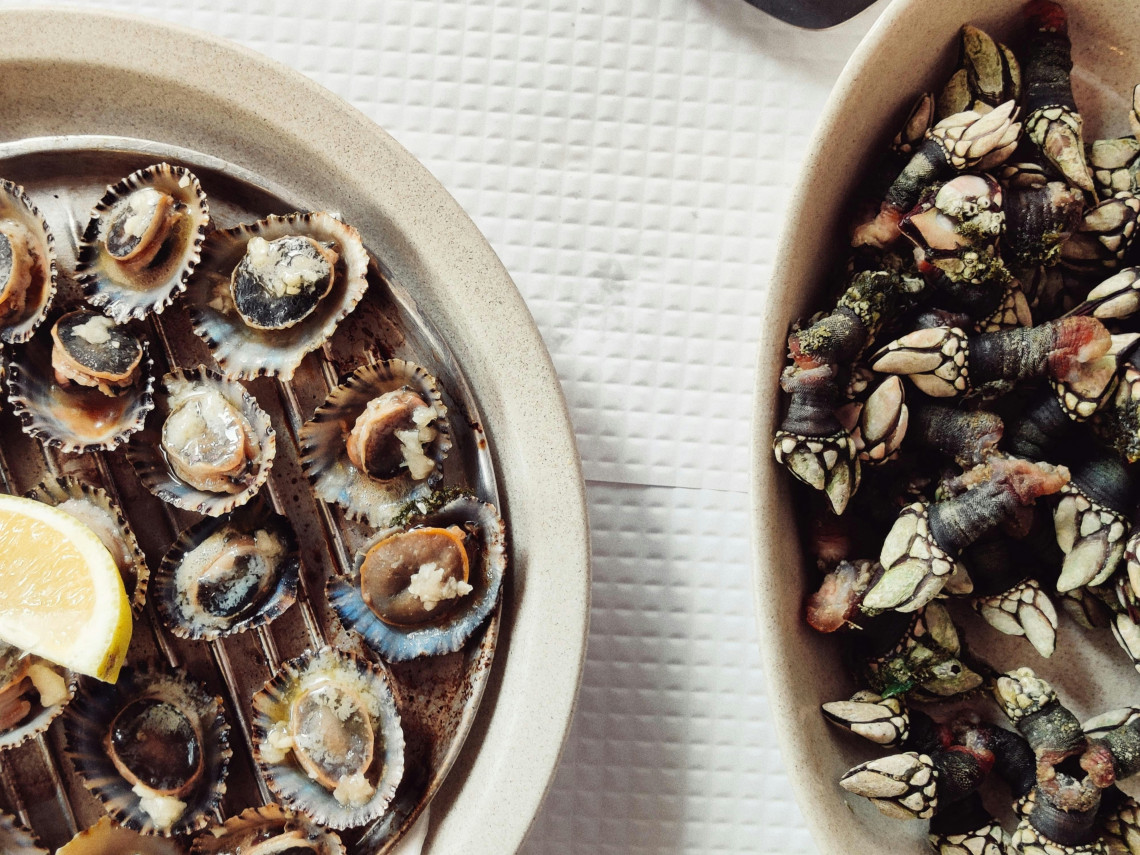
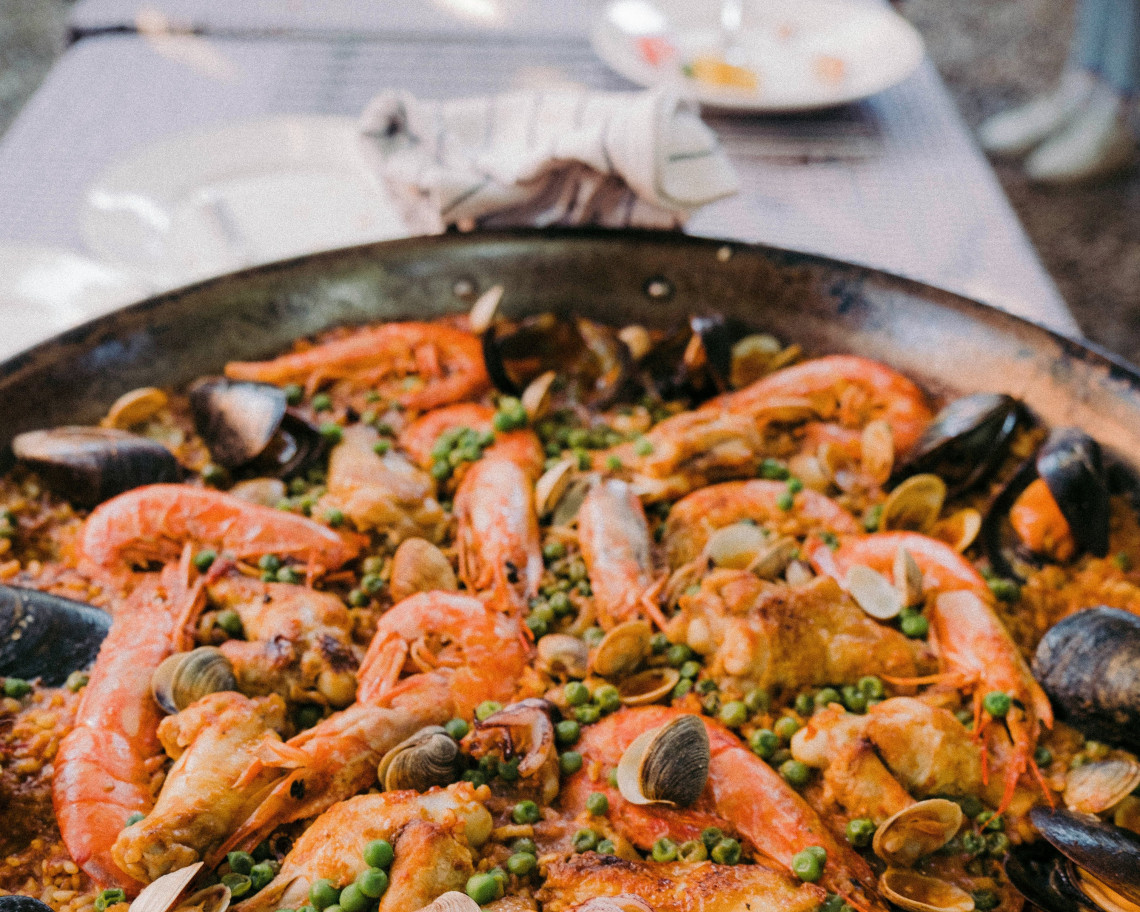
Arroz de marisco is a wet, soupy rice cooked with prawns, clams and other shellfish and served in the pot. Xerém is the Algarve's traditional cornmeal dish, a kind of loose porridge cooked with clams or with pork and sausage.
Piri-piri chicken from Guia
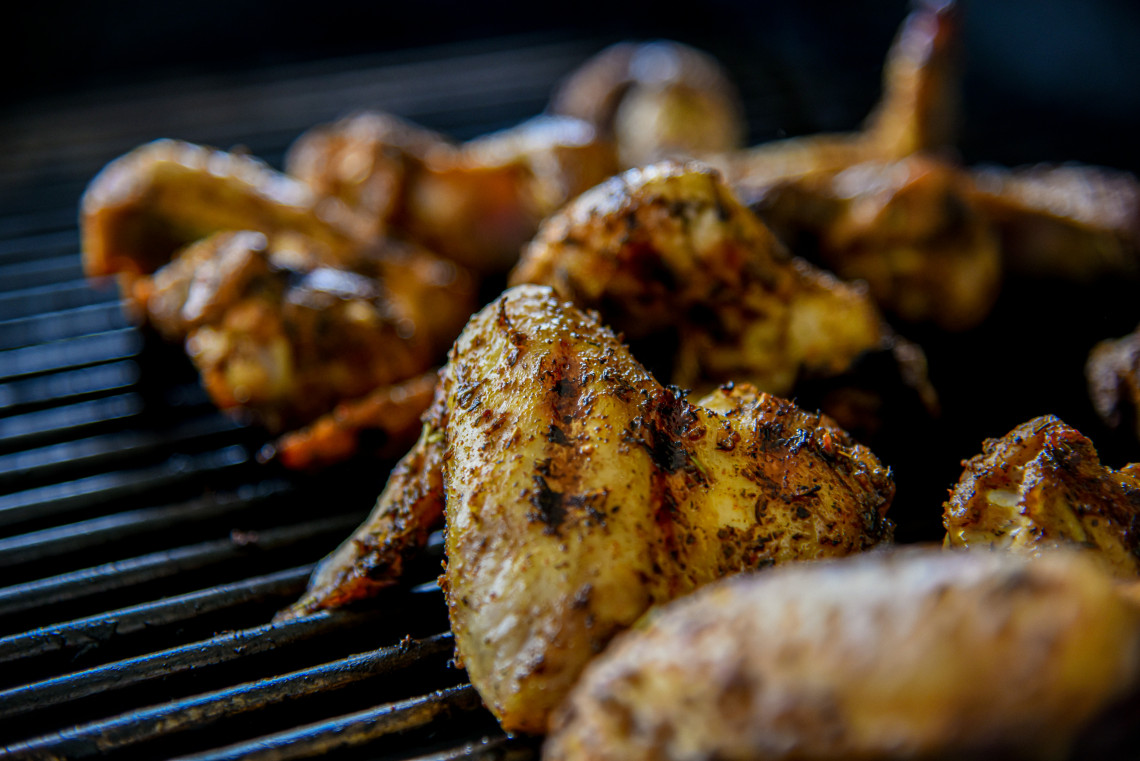
Guia, a village just north of Albufeira, is known for frango piri-piri: small chickens split, grilled over charcoal and brushed with chilli oil. Several restaurants in Guia specialise in it, usually served with fries and salad.
Inland dishes
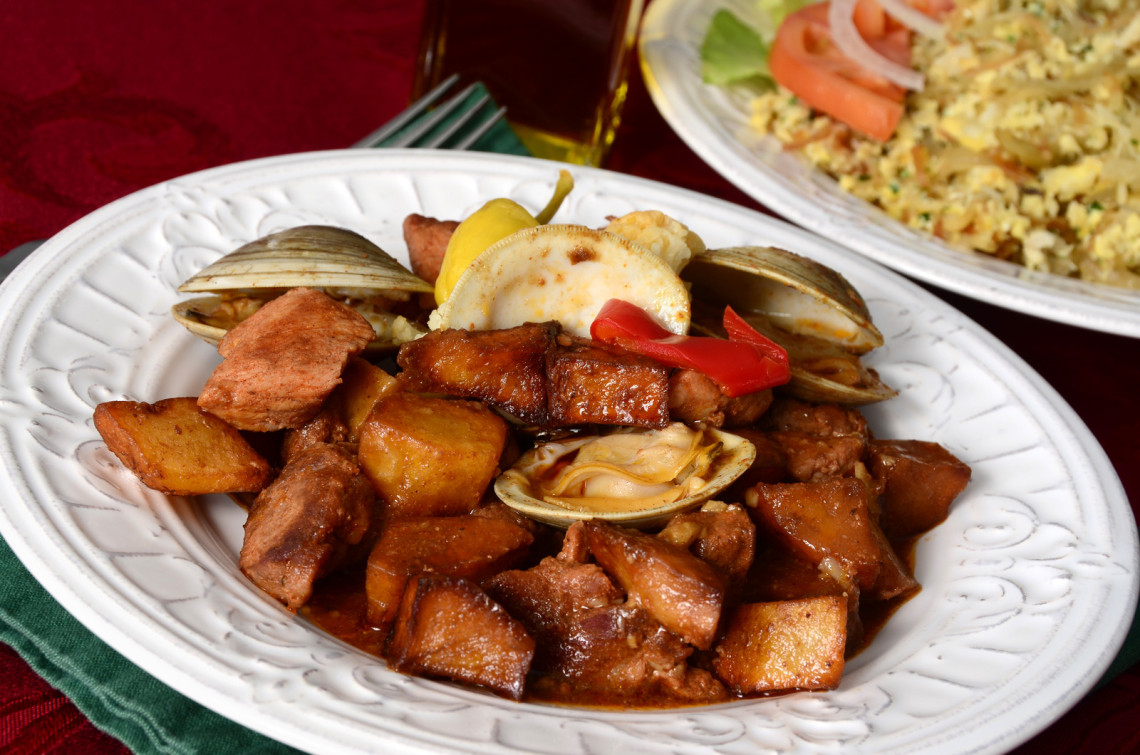
Away from the coast, the food changes. In the Serra de Monchique and the villages of the interior, look for pork dishes, cured sausages (enchidos), stews and game.
RIA FORMOSA SUPREME SMALL-GROUP TOUR
A small-group day in the eastern Algarve, with time at Loulé's market hall and an olive oil tasting, plus pick-up from Quarteira, Vilamoura, Albufeira and nearby resorts.
See the tour →Algarve Sweets
The Algarve grows almonds, figs and carob, and its sweets are built on them, often with egg yolks and sugar from the old convent recipes.
- Dom Rodrigo: egg-yolk threads (fios de ovos), soft egg cream with almond, sugar and cinnamon, wrapped in coloured foil. It is linked historically to Lagos and Tavira, and in 2025 Portugal granted it protected geographical indication status as Dom Rodrigo do Algarve.
- Morgado: an almond and egg-yolk cake, typically found in Portimão and Silves, covered in glazed sugar and decorated with marzipan.
- Queijo de figo: despite the name, not a cheese, but a fig cake made from dried figs ground with almonds and spices.
- Marzipan sweets (doces finos): small almond-paste fruits and animals, filled with egg-yolk cream, sold in pastry shops across the region.

Algarve Wine and Drinks
The Algarve has four wine designations of origin (DOP), Lagos, Portimão, Lagoa and Tavira, plus the wider Vinho Regional Algarve. The local red grape is Negra Mole, grown alongside varieties such as Touriga Nacional, Syrah and Aragonez. Estates around Lagoa, Silves and Lagos offer tours and tastings.
Two spirits are local specialities. Medronho is distilled from the fruit of the strawberry tree, which grows wild in the hills of Monchique, and is strong, usually served as a shot after a meal. Amarguinha is a sweet bitter-almond liqueur, served chilled.
THE ALGARVE WINE & CULTURE EXPERIENCE
A small-group day with guided visits to two family-run wine estates, tastings of small-batch Algarve wines and free time in Silves. Pick-up from Albufeira and nearby areas.
See the wine experience →More on Algarve wine
Where to Eat in the Algarve
- Fishing harbours: for grilled fish, eat where the boats land. Portimão's riverside, Olhão's waterfront and the harbour in Quarteira are known for fish restaurants.
- Santa Luzia: for octopus, in the restaurants on the waterfront.
- Guia: for piri-piri chicken.
- Markets: the market halls of Olhão and Loulé sell fish, fruit, cheese, honey and sweets, and are best visited in the morning.
- Inland villages: Monchique, Alte and the villages around Loulé for heartier, meat-based cooking.
Tips for Eating Out
- Couvert: bread, olives, butter and other starters brought to the table are not free. You pay only for what you eat, so send back anything you do not want.
- Fish by weight: fresh fish and seafood are often priced per kilo. Ask how much your fish weighs before it goes on the grill.
- Timing: lunch usually runs from around 12:30 to 15:00 and dinner from 19:30. Many traditional restaurants close in the afternoon.
- Prato do dia: the dish of the day at lunch is usually the best-value way to eat local food.
- Tipping: not compulsory. Rounding up or leaving around 5 to 10 percent for good service is common
ALGARVE ESSENTIAL PACKAGE
Flights, hotel and airport transfers in the Algarve, with time to eat your way along the coast.
See the Algarve package →Plan it your way
Custom Your Trip
Tell our local travel advisors which towns, dates and experiences you want and we build the Algarve trip around you, food and wine experiences included.
Start your custom trip →Limited time
Portugal Packages On Sale
Flights, hotels and rental car bundled at reduced prices. See every package currently on sale and book while it lasts.
Book now →Frequently Asked Questions
What is the most famous dish in the Algarve?
Cataplana, a seafood or pork and clam dish cooked in a hinged copper pan. Grilled sardines and piri-piri chicken from Guia are also strongly linked to the region.
What should I order in the Algarve if I like seafood?
Start with clams à Bulhão Pato, then order a seafood cataplana, grilled fish of the day or arroz de marisco. In Santa Luzia, order octopus.
What are the typical sweets of the Algarve?
Dom Rodrigo, morgado, queijo de figo and marzipan sweets, all based on almonds, figs or egg yolks.
Does the Algarve produce wine?
Yes. It has four designations of origin, Lagos, Portimão, Lagoa and Tavira, plus Vinho Regional Algarve. Negra Mole is the local red grape.
What is medronho?
A strong spirit distilled from the fruit of the strawberry tree, which grows in the hills of Monchique. It is usually served as a shot after a meal.
Is the bread on the table free in Portuguese restaurants?
No. The couvert of bread, olives and starters is charged if you eat it. Send it back if you do not want it.